Prunus serotina
American Black Cherry
Also known as: Black Cherry, Cabinet Cherry
 Timber Grain
About this Timber
General Description
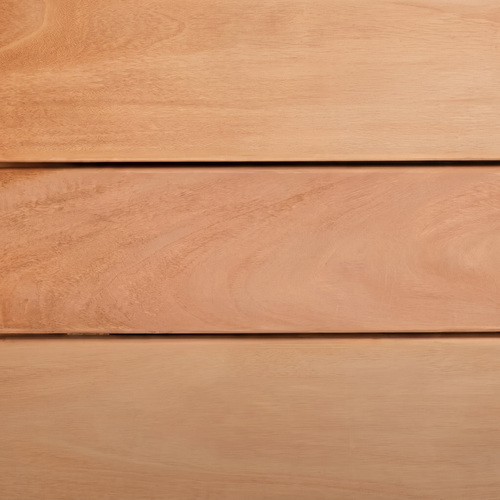
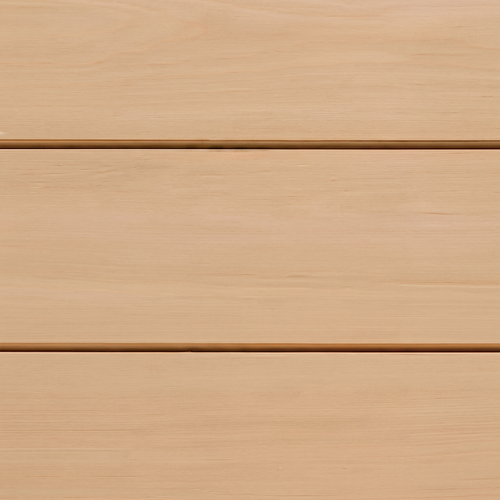
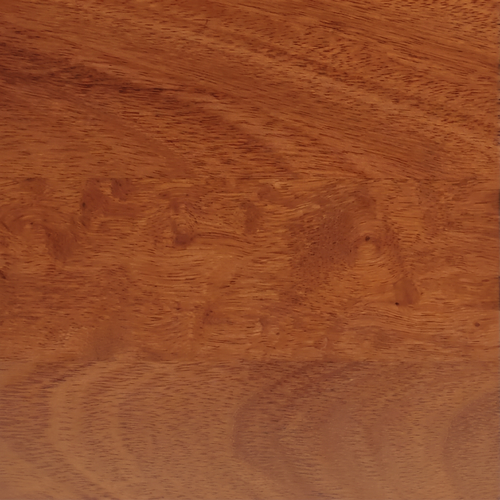
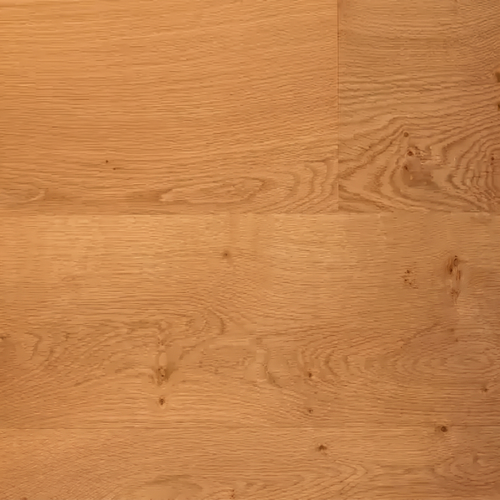
The heartwood of American cherry varies from rich red to reddish-brown, which will darken with age and exposure to light. It has a fine, straight, close grain with a smooth texture and distinctive narrow brown pith flecks and small gum pockets. Sapwood is creamy white.
US forests have a long-standing tradition of sustainable forest management, bolstered by a strong legal framework for environmental conservation.
Working Properties
How This Timber Works
The wood works easily with both hand and power tools with only moderate blunting effect. It nails, glues, stains and takes an excellent polish.
Mechanical Properties
The timber has good wood bending properties, low stiffness and medium strength and resistance to shock loads.
Technical Data
Technical Specifications
*Air Dry Density (kg/m³) is an average indication only and actual values may vary. Refer to strength, shrinkage and durability classification tables for full details.
Reference Tables
Timber Classification Tables
Standard NZ classification tables for strength groupings, shrinkage and durability. This species is highlighted in each table.
| Strength Group | Modulus of Rupture | Modulus of Elasticity | Max Crushing Strength |
|---|---|---|---|
| S1 | 103 | 16300 | 52 |
| S2 | 76 | 14200 | 43 |
| S3 | 73 | 12400 | 36 |
| S4 | 62 | 10700 | 31 |
| S5 | 52 | 9100 | 26 |
| S6 | 43 | 7900 | 22 |
| S7 | 36 | 6900 | 18 |
| Strength Group | Modulus of Rupture | Modulus of Elasticity | Max Crushing Strength |
|---|---|---|---|
| SD1 | 150 | 21500 | 80 |
| SD2 | 130 | 18500 | 70 |
| SD3 | 110 | 16000 | 61 |
| SD4 | 94 | 14000 | 54 |
| SD5 | 78 | 12500 | 47 |
| SD6 | 65 | 10500 | 41 |
| SD7 | 55 | 9100 | 36 |
| SD8 | 45 | 7900 | 30 |
| Description of Shrinkage | Tangential | Radial |
|---|---|---|
| Very Low | 0 – 3.5 | 0 – 2 |
| Low | 3.5 – 5.0 | 2 – 3 |
| Medium | 5.0 – 6.5 | 3 – 4 |
| High | 6.5 – 8.0 | 4 – 5 |
| Very High | > 8.0 | > 5 |
| Grade of Durability | Fully Protected | Above Ground, Exposed | In-Ground, Exposed |
|---|---|---|---|
| Very Durable | > 50 | > 40 | > 25 |
| Durable | > 50 | 15 – 40 | 15 – 25 |
| Moderately Durable | > 50 | 7 – 15 | 5 – 15 |
| Non-Durable | > 50 | 0 – 7 | 0 – 5 |
Applications
Main Uses
Stock & Sizes
Availability
Sawn 25mm, 40mm, 50mm and 75mm thicknesses in mixed widths.
Quality Standard