Intsia bijuga, palembanica
Kwila
Also known as: Merbau, Vesi, Ipil
 Timber Grain
About this Timber
General Description
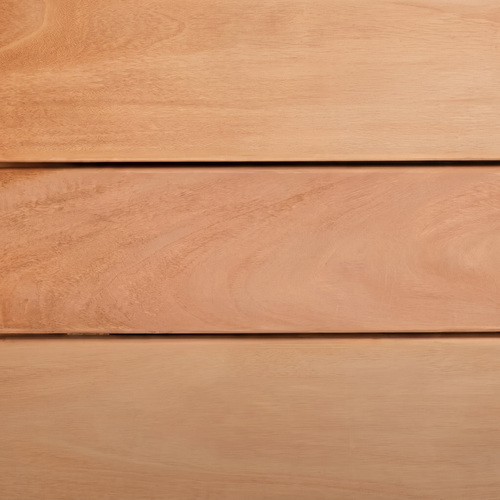
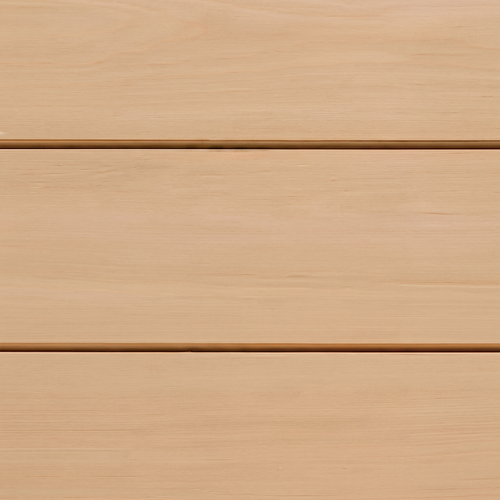
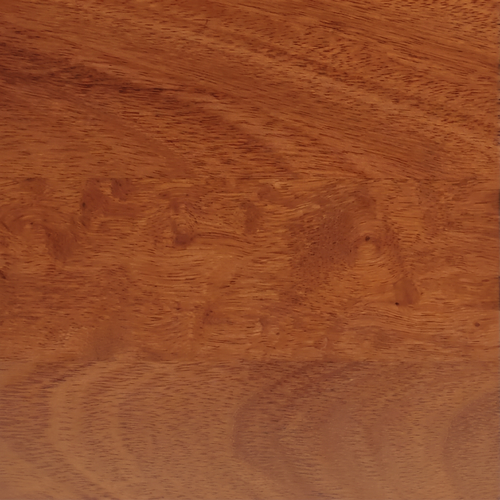
Kwila heartwood is yellow-brown to dark red-brown in colour. The grain is slightly interlocked and the texture is moderately coarse. Yellow deposits in the vessels are a common feature of the wood. It is non-siliceous, sometimes lustrous. Timber 'bleeds' when wet producing dark red-brown stain.
Working Properties
How This Timber Works
The wood can be worked well but has severe blunting effect. It tends to split when nailed, but holds fastenings well. May need treating before gluing. It takes stain, polish and paint well but oily patches may adversely affect the finish.
Mechanical Properties
Kwila has high bending strength, crushing strength and stiffness, with medium resistance to shock loads. It has a poor steam bending classification due to exudation of oil.
Technical Data
Technical Specifications
*Air Dry Density (kg/m³) is an average indication only and actual values may vary. Refer to strength, shrinkage and durability classification tables for full details.
Reference Tables
Timber Classification Tables
Standard NZ classification tables for strength groupings, shrinkage and durability. This species is highlighted in each table.
| Strength Group | Modulus of Rupture | Modulus of Elasticity | Max Crushing Strength |
|---|---|---|---|
| S1 | 103 | 16300 | 52 |
| S2 | 76 | 14200 | 43 |
| S3 | 73 | 12400 | 36 |
| S4 | 62 | 10700 | 31 |
| S5 | 52 | 9100 | 26 |
| S6 | 43 | 7900 | 22 |
| S7 | 36 | 6900 | 18 |
| Strength Group | Modulus of Rupture | Modulus of Elasticity | Max Crushing Strength |
|---|---|---|---|
| SD1 | 150 | 21500 | 80 |
| SD2 | 130 | 18500 | 70 |
| SD3 | 110 | 16000 | 61 |
| SD4 | 94 | 14000 | 54 |
| SD5 | 78 | 12500 | 47 |
| SD6 | 65 | 10500 | 41 |
| SD7 | 55 | 9100 | 36 |
| SD8 | 45 | 7900 | 30 |
| Description of Shrinkage | Tangential | Radial |
|---|---|---|
| Very Low | 0 – 3.5 | 0 – 2 |
| Low | 3.5 – 5.0 | 2 – 3 |
| Medium | 5.0 – 6.5 | 3 – 4 |
| High | 6.5 – 8.0 | 4 – 5 |
| Very High | > 8.0 | > 5 |
| Grade of Durability | Fully Protected | Above Ground, Exposed | In-Ground, Exposed |
|---|---|---|---|
| Very Durable | > 50 | > 40 | > 25 |
| Durable | > 50 | 15 – 40 | 15 – 25 |
| Moderately Durable | > 50 | 7 – 15 | 5 – 15 |
| Non-Durable | > 50 | 0 – 7 | 0 – 5 |
Applications
Main Uses
Stock & Sizes
Availability
Sawn 25mm, 40mm, 50mm, 75mm, 100mm and 150mm thicknesses in varying fixed widths. T&G strip and overlay flooring and machined decking profile.
Quality Standard