Pinus radiata
Thermally Modified Pine
Also known as: Thermally Modified Pine, TMT Pine
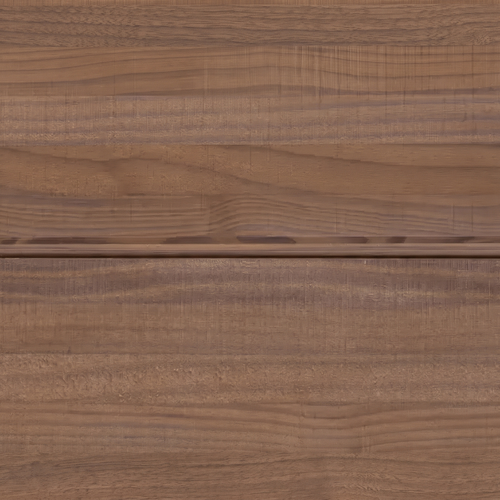
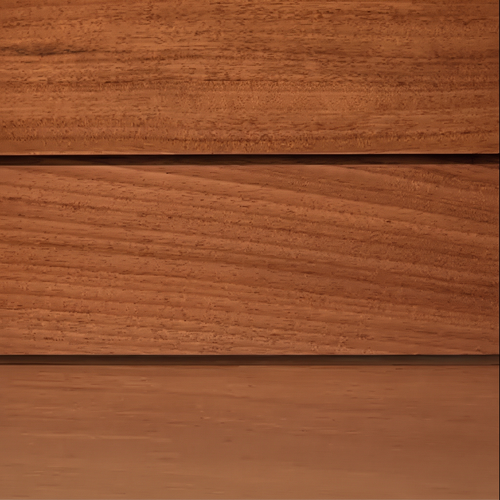
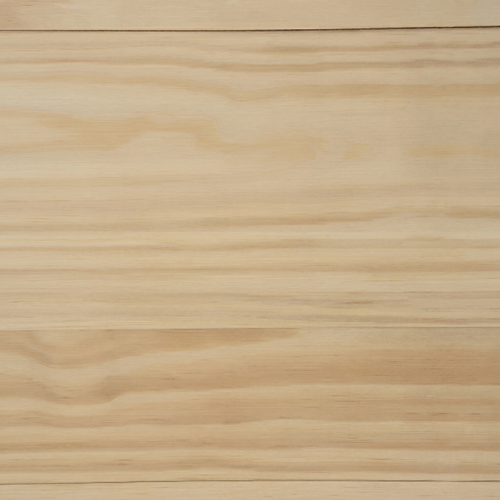
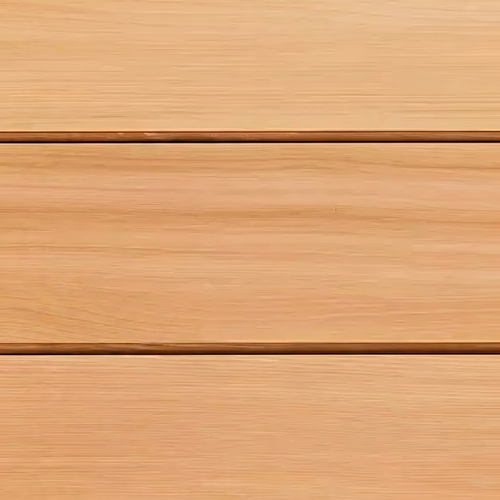
 Timber Grain
About this Timber
General Description
Thermally Modified Pine is manufactured from thermally modified New Zealand plantation Radiata Pine, supplied in solid, flat-sawn boards. It is processed in computer-controlled kilns at or above 230�C, using steam to modify the wood all the way through.
Thermally Modified Pine offers an environmentally responsible alternative to native or chemically-treated timbers for cladding, screening and exterior appearance applications.
Working Properties
How This Timber Works
Lightweight and stable, with variable grain and texture typical of crown cut timber. Machines cleanly with sharp tools, finishes well, and is suited to applications where improved dimensional stability is required.
Mechanical Properties
Janka hardness is approximately 3.0 to 3.5 kN, with modulus of rupture reduced compared with unmodified pine due to the thermal modification process. Modulus of elasticity is moderate and generally comparable to radiata pine, though slightly reduced. Crushing strength is considered moderate. Not intended for structural load-bearing use.
Technical Data
Technical Specifications
*Air Dry Density (kg/m³) is an average indication only and actual values may vary. Refer to strength, shrinkage and durability classification tables for full details.
Reference Tables
Timber Classification Tables
Standard NZ classification tables for strength groupings, shrinkage and durability. This species is highlighted in each table.
| Strength Group | Modulus of Rupture | Modulus of Elasticity | Max Crushing Strength |
|---|---|---|---|
| S1 | 103 | 16300 | 52 |
| S2 | 76 | 14200 | 43 |
| S3 | 73 | 12400 | 36 |
| S4 | 62 | 10700 | 31 |
| S5 | 52 | 9100 | 26 |
| S6 | 43 | 7900 | 22 |
| S7 | 36 | 6900 | 18 |
| Strength Group | Modulus of Rupture | Modulus of Elasticity | Max Crushing Strength |
|---|---|---|---|
| SD1 | 150 | 21500 | 80 |
| SD2 | 130 | 18500 | 70 |
| SD3 | 110 | 16000 | 61 |
| SD4 | 94 | 14000 | 54 |
| SD5 | 78 | 12500 | 47 |
| SD6 | 65 | 10500 | 41 |
| SD7 | 55 | 9100 | 36 |
| SD8 | 45 | 7900 | 30 |
| Description of Shrinkage | Tangential | Radial |
|---|---|---|
| Very Low | 0 – 3.5 | 0 – 2 |
| Low | 3.5 – 5.0 | 2 – 3 |
| Medium | 5.0 – 6.5 | 3 – 4 |
| High | 6.5 – 8.0 | 4 – 5 |
| Very High | > 8.0 | > 5 |
| Grade of Durability | Fully Protected | Above Ground, Exposed | In-Ground, Exposed |
|---|---|---|---|
| Very Durable | > 50 | > 40 | > 25 |
| Durable | > 50 | 15 – 40 | 15 – 25 |
| Moderately Durable | > 50 | 7 – 15 | 5 – 15 |
| Non-Durable | > 50 | 0 – 7 | 0 – 5 |
Applications
Main Uses
Stock & Sizes
Availability
Stocked in New Zealand in exterior cladding and screening profiles designed for residential and commercial projects.
Quality Standard